Guide · 28 October 2026 · 8 min read
Selling farm produce online in Italy: rules and channels, 2026
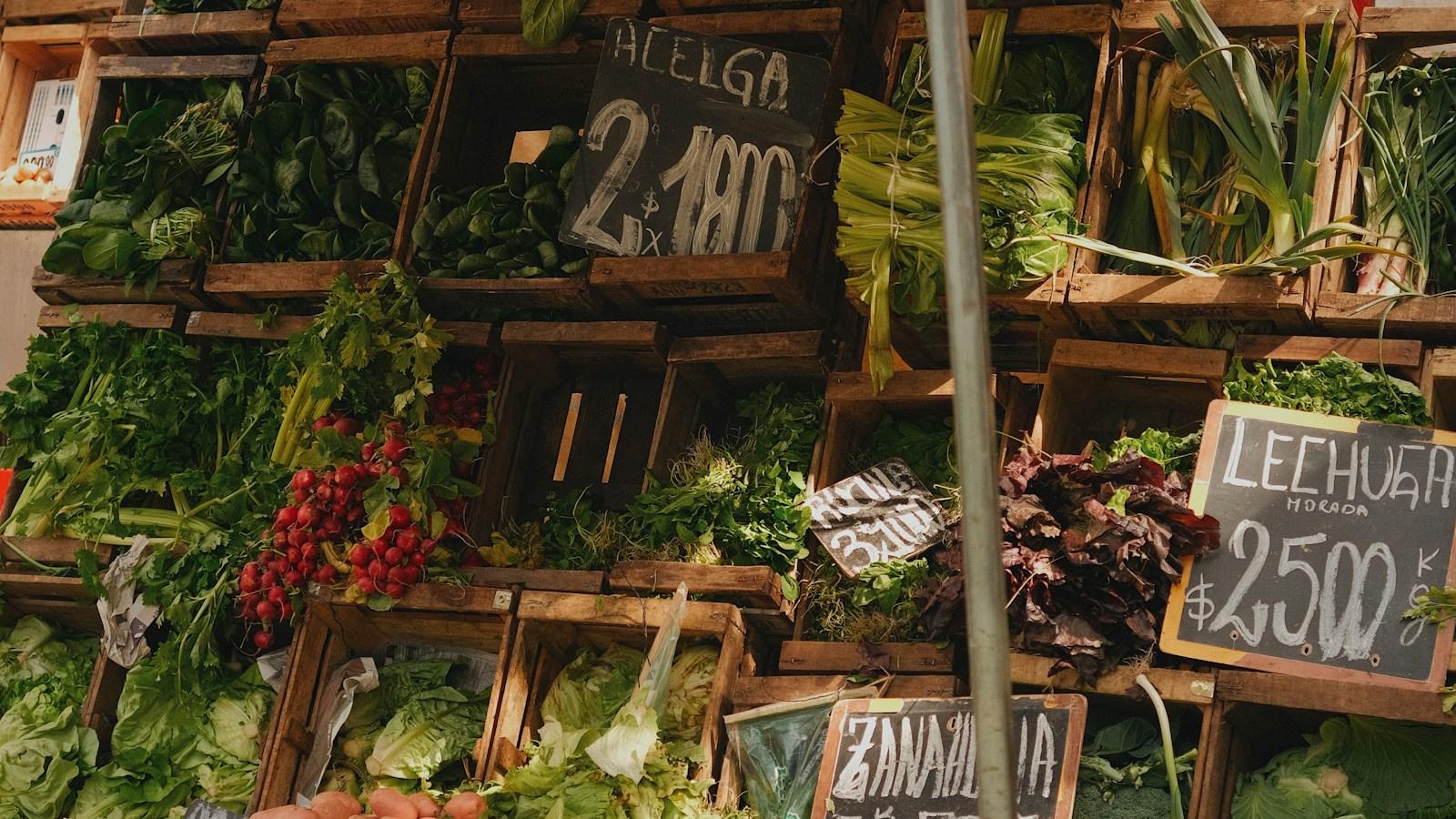
A farmer looking up "sell my produce online" in Italy is usually choosing between two things: the rules that apply to a new sales channel, and the channel itself. The first part is short and stable — there is no separate online licence to obtain, and the notification that already governs your direct sale governs the online one too. The second part is where most of the decisions actually live: what you put on a page, who you are answerable to, and which of the available channels matches the work you are willing to do. This guide covers both, starting with the law.
Do you need a licence to sell your produce online?
No. The base rule is the same one that governs your farm gate: article 4 of legislative decree 228/2001 allows a registered agricultural entrepreneur to sell at retail the products that come prevalently from their own holding, and the text explicitly includes electronic commerce as a channel of direct sale. What you do have to do is notify the comune where your production holding is based. Since the 2013 amendment that notice no longer carries a thirty-day wait — the sale, online or at the gate, may begin from the date the communication is sent. If you already do direct sales, you probably have the notification behind you already; the online channel inherits it rather than needing a new one.
One condition does not carry over automatically: prevalence. Buying in a neighbour's honey or a partner's tomatoes to round out a shop page is lawful, but only while your own production stays the greater part of what you sell. The hard edges of that — the figures at which ordinary retail trade rules take over — are the same as on the farm gate: €160,000 a year for a sole trader or €4,000,000 for a company from products bought from third parties. The numbers are in our guide to direct sale; they are the ones to keep in the back of your head when you plan a shop.
What consumer law changes when you sell online?
Distance sales to consumers bring the consumer code's information duties with them: identification, prices with all charges included, delivery times and costs, the withdrawal mechanism, and how to complain. Two points matter most in practice. The first is the right of withdrawal — and the exception that describes your entire catalogue: article 59 of the consumer code excludes goods that can deteriorate or expire rapidly from the fourteen-day change of mind. Fresh produce is the textbook case, so you do not owe a refund because a customer had a change of heart. What you do owe is responsibility for the goods themselves: an order that arrives damaged, arrives short, or never arrives is still your problem to make right. The exception removes the change of mind, not your liability.
The second point is labelling. Regulation (EU) 1169/2011's mandatory list — the name of the food, the quantity, the date, the operator, the allergens — applies to distance sales exactly as it does to the counter, so a shop page and a box that reach the customer have to carry the same information. A shop with no operator details is not a working shop, whatever the food is.
What about VAT and receipts?
For small producers the exemption regime of article 34, comma 6 of presidential decree 633/1972 is usually the starting point: it applies when the previous year's turnover did not exceed €7,000 with at least two thirds of it from scheduled agricultural products. Inside it, direct sales to private consumers carry no till-receipt obligation — which saves a real amount of daily work in a counter or shop — and the regime ends from the following calendar year if the turnover is exceeded. A second, heavier question hides in the same paragraph: if what you sell includes a genuine amount of products bought from third parties, the exemption arithmetic stops being the right instrument, and the ordinary retail thresholds from the previous section are the number to watch. The honest version of all of this is short: it is a regime to start in, and the moment your real numbers say otherwise, so does it.
When does the health authority have to be involved?
Article 6 of regulation (EC) 852/2004 requires a food business to be registered — in practice, a notification through the one-stop business portal to the local health authority. The carve-out that most small holdings live inside is the direct supply of small quantities of primary products to the final consumer: your unprocessed fruit, vegetables, eggs or honey, in small quantities, is outside the registration regime. The line is processing, not the channel: jam, cheese, cured meat, bread, or anything else you transform is a food business and is registered, whether it is sold at the gate or online. What "small quantities" actually means is set regionally, not nationally — the same question can produce two different answers in two neighbouring farms — so it is one to put to your own health authority rather than a guide.
What must a shop page actually contain?
The law sets a floor rather than a template: who you are, what you sell, the price with every charge, the delivery terms, and a real address to complain to. What that floor means in practice is a handful of pages most producers never build: an identification page, a price list that is honest about delivery, the allergen information on every product, and a complaint path that a real person answers. The minimum is cheap to build — the pages are short — but the discipline is not: a shop that shows a 2024 price in 2026 is not a shop, it is a liability.
Which online channels actually work for a producer?
Five, and they are not equivalent. Your own website gives the full margin and the full job: traffic, photographs, payments, couriers, complaints. Farmgate-style digital pages — a shop embedded on your site or on the cooperative's — cost less and reach people who already know the farm. Marketplaces borrow demand that already exists, and pay a commission for it; the difference that matters is who packs the order and who holds the customer relationship, because that is where the margin and the work actually live. Social selling moves small volumes fast and dies when you stop posting. And the quiet one: the customer who finds you at the gate and asks "can I order more" is often the cheapest online customer you will ever have, because the relationship already exists and the channel is just a form.
The ranking, by cost of attention: a farmgate page costs the least and reaches the fewest. A marketplace costs you a commission and reaches a demand you did not build. Your own site costs the most and is yours. For most producers the honest sequence is: the notification, a farmgate or cooperative page, a marketplace to test real demand, and a site when the numbers say it pays for itself.
That last one is a model we run, so read this part knowing where it comes from. On GetEats every producer has their own storefront, sets their own prices, and packs and ships their own orders — the platform is the shop window and the checkout, not a reseller who buys your crop and puts its own name on it. There is no exclusivity: the farm gate, the market, and your own site keep working. Being straight about the stage: we are early, and we are building the network along the Italian and French coasts first, so the real question for you is whether there are buyers near you yet — not whether a platform is a good idea.
If that is the channel you want to test, the producer page explains what joining involves, and you can talk to us before you list anything. Two pages worth reading before you price a box: what the km 0 label legally means — it is a claim about the point of sale, not about your farm, so do not print it unless it is true — and what buying direct looks like from the customer's side, which is, in the end, what you are selling. And if you are setting up a shop on a farm in the network, the same operator and complaint-address rules apply to your own site: the channel changes, the floor does not.
Frequently asked questions
How long does it take to be allowed to sell online?
There is no wait to serve. The notification to the comune where your holding is based is what makes it lawful, and since the 2013 amendment you may start selling the day you send it — online, at the gate, both.
Can I sell to a customer who cancels a week later?
No. Article 59 of the consumer code excludes rapidly deteriorating goods from the fourteen-day withdrawal right, and fresh produce is the textbook case. You do not owe a refund for a change of mind — you do owe responsibility for the goods themselves.
Do I need a VAT number and must I issue receipts?
A habitual activity is a business and needs a VAT number even in the lightest regime. Inside the €7,000 exemption, direct sales to private consumers carry no till-receipt obligation; go over the threshold and the regime ends from the following year.
What label information does a shop page need?
The regulation 1169/2011 list, which applies to distance sales exactly as to the counter: the name of the food, quantity, dates, your operator details, and the allergens. A page without the operator is not a working shop page.
Where do I talk to someone who has my producer position in mind?
The producer page is where we say what joining a network means, with no fine print about a commission rate — because there is none yet, we set it with the first producers. Before you list anything you can talk to us directly, and the direct-sale guide is the honest companion piece to this one.