Guide · 28 October 2026 · 6 min read
Buying local in France: the guide to short food chains and farm-to-table
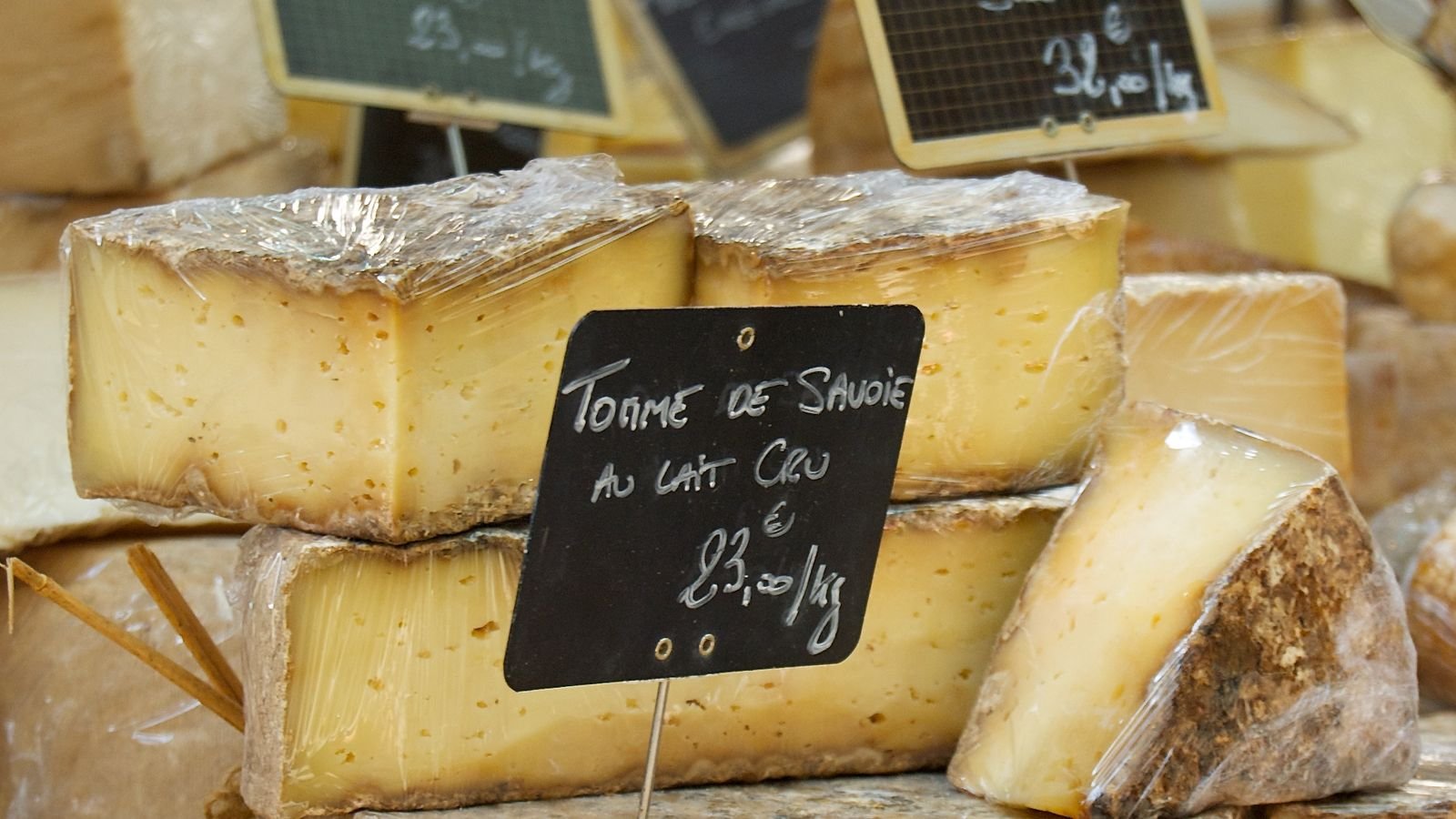
Buying local in France is not a single thing — it is a family of channels that share one principle: shorten the road between the person who grows it and the person who eats it. This page maps that family, names the vocabulary, and gives you a concrete plan for this week.
What does 'circuit court' actually mean?
A short food chain, or circuit court, is a distribution model with at most one intermediary between producer and consumer. Direct farm sales, AMAP subscriptions and farmers' markets are its most common forms in France. The chain's length matters less than its honesty: knowing who your producer is, how they farm and what they harvest is the whole point.
Why are short food chains winning over French consumers?
Fewer intermediaries means better pay for the farmer, fairer prices for the consumer and a lower carbon footprint thanks to minimal transport distances. French shoppers are driven by two further expectations: freshness — a vegetable harvested in the morning has a taste no cold-storage warehouse can replicate — and transparency about farming practices. According to the French Ministry of Agriculture, roughly one in five consumers reports buying directly from producers on a regular basis, and the trend shows no sign of fading. In Paris, Lyon and Marseille, farmers' markets and farm boxes are frequently fully booked.
What is an AMAP, and how is it different from a farm box?
AMAP — Association pour le Maintien d'une Agriculture Paysanne — is a subscription model: the consumer pays in advance for a fixed number of weekly baskets at a set price, sharing the risk of harvest and failure with the farmer. The model took root in Provence in the early 2000s, inspired by Japanese and American CSA schemes. A farm box, or panier paysan, is looser: you order a weekly box of fruit and vegetables — sometimes with eggs, bread or cheese — without a formal commitment, directly from a nearby farm.
What is direct farm sales, and where does it happen?
Direct farm sales, or vente directe à la ferme, is buying on site at the farm itself. You can see the production, talk to the farmer, and often leave with something you cannot find anywhere else. Farmers' markets — Parisian squares such as Bastille, Lyon's Les Halles Paul Bocuse, Marseille's Noailles market — host producers and small food traders who sell their own goods, with no reseller in between.
What can you buy by season in France?
Seasonality is the first condition of a coherent local diet. In Île-de-France, market gardeners offer lettuces, radishes and new potatoes in spring; tomatoes, courgettes and aubergines in summer; squashes, leeks and cabbages in autumn and winter. Buying local means little if you demand strawberries in January and tomatoes in March — follow the seasons and every basket is fresher, more flavorful and often cheaper.
Where can you buy local in Paris, Lyon and Marseille?
Île-de-France is the leading French region by agricultural production value and supplies the Parisian markets: educational farms in the green belt, Parisian AMAP groups and farm drive-through services let you eat local without leaving the capital. Lyon leans on its covered markets and the farms of the Monts du Lyonnais, where goat cheeses, fruit and market-garden vegetables are sold on site. Between the Noailles market, Provençal cooperatives and the region's wine estates, Marseille combines olive oil, sun-ripened fruit and vegetables from the Mediterranean basin.
What is the EGAlim law and does it change what you can buy?
Under France's EGAlim law, school catering must include a growing share of sustainable, high-quality products, a significant part of which must come from short supply chains. The measure anchors the next generation in local food culture: a child eating seasonal vegetables from a nearby farm at lunchtime builds the habit for life. For the shopper, it means more farms are investing in direct channels — more farm boxes, more open days, more labeled seasonal produce.
How do you find a producer near you?
Start with the French farms on the GetEats directory — each profile is a named producer with a location and a range you can compare. For boxes and AMAPs, regional networks publish online directories; browse the French direct-sell guide for the specifics of which channel suits your week. Local associations connect people, provide seasonality guidance, and help build a sourcing network neighborhood by neighborhood.
What happens when you visit a farm?
Walking between the rows of vegetables, smelling hay in the barn, listening to a farmer explain their crop rotation — the experience permanently transforms your relationship with food. Many farms open their gates during national events such as Fermes Ouvertes, run workshops, or welcome schools for educational visits. For Parisians, Île-de-France farms are less than an hour away by train; for residents of Lyon, the Monts du Lyonnais are a fifteen-minute drive.
What is your plan for eating local this week?
Five steps, all doable in one afternoon:
- Identify your needs: what do you actually eat every week, and what do you buy most often?
- Find your producers: use the GetEats French farm directory or the producer map to locate farms near you and compare their seasonal offers.
- Choose a format: a weekly box, an AMAP subscription, or a one-off farm purchase — start small and adjust.
- Plan a visit: set aside one morning to meet a producer; contact them in advance so they know to expect you.
- Support the network: share what you found, bring friends along, and back the local events in your area.
Buying local is not a superhuman effort: it is a habit built one purchase at a time, at the pace of the seasons. Every euro spent with a producer in your region sustains a farm, a landscape and a body of know-how that a supermarket chain cannot offer.
Frequently asked questions
What exactly is a short food chain, or circuit court?
A distribution model with at most one intermediary between producer and consumer. Direct farm sales, AMAP subscriptions and farmers' markets are the most common forms in France. The defining feature is not the number of steps but that the producer is known to the consumer.
Is buying through short supply chains really cheaper?
Not always, but the price-to-quality ratio is usually better: produce is fresher, picked at ripeness, and the margin stays with the farmer. A weekly box subscription also makes your food budget easier to plan.
How do I find an AMAP or a farm box near me?
Regional AMAP networks publish online directories. Start with the GetEats French farm directory to locate active producers in your area and compare their box and direct-sale offers.
Can I visit a farm before I buy?
Most farms selling directly welcome visitors, especially during national events such as Fermes Ouvertes. It is best to contact the farmer in advance so they know to expect you.
What can I buy season by season in France?
Spring: lettuces, radishes, strawberries, asparagus. Summer: tomatoes, courgettes, melons, apricots. Autumn: squashes, mushrooms, grapes, apples. Winter: leeks, cabbages, chicory, citrus from the South. Following the seasons guarantees freshness and flavor all year round.