Guide · 29 October 2026 · 5 min read
Buying gluten-free direct from farms: what to actually check
Part of the guide: Buying food direct from farms: the complete guide
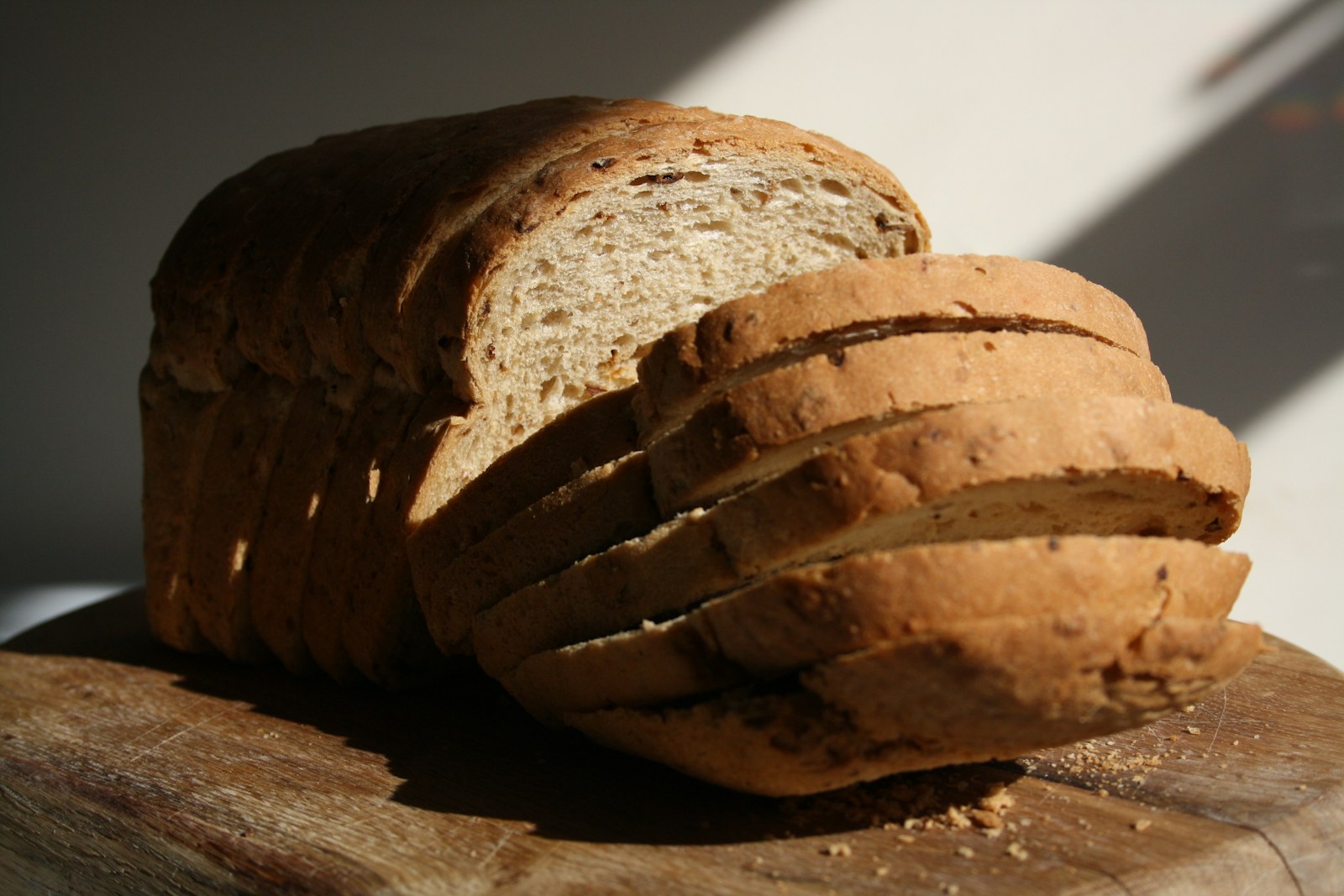
Most people avoiding gluten do it by preference or a milder sensitivity, where getting it slightly wrong means feeling worse for a day. A minority have coeliac disease, where it means real harm to the gut from amounts too small to taste — and for that group, the exact meaning of "gluten-free" on a label is not a detail. Buying direct from a named producer gives you something a supermarket shelf does not: the ability to ask. It does not, on its own, give you the thing a tested and certified product gives you, and the two are worth keeping separate.
What "gluten-free" legally means
In the EU, "gluten-free" is not a style of recipe, it is a tested threshold. Regulation (EU) No 828/2014, in force since 20 July 2016, permits the claim only where the food as sold contains no more than 20 mg of gluten per kg. A companion claim, "very low gluten," covers cereal ingredients that have been specially processed to reduce gluten and allows up to 100 mg/kg — a different, looser claim, not a lesser version of the first. Oats are singled out: a product can only be called gluten-free if any oats in it were grown, handled and processed to avoid contact with wheat, rye or barley, and still meet the same 20 mg/kg limit on their own. The regulation defines gluten itself as the protein fraction from wheat, rye, barley, oats and their crossbred varieties — a recipe that simply omits wheat flour is not automatically free of all of them.
A named producer is not automatically safer than a packaged product
This is the part worth being honest about. A large manufacturer making a certified gluten-free line typically tests batches against that 20 mg/kg limit, because the claim is a legal liability if it is wrong. A small bakery making one gluten-free loaf alongside its usual wheat bread, in the same oven, on the same worktop, with the same flour-dusted hands, may have a recipe with no gluten ingredients in it and still not meet the tested threshold — not because anyone is being dishonest, but because cross-contact in a shared kitchen is a real, measurable thing and testing it costs money a one-oven bakery may not have. Being able to ask the person who made it is a genuine advantage over an anonymous shelf. It is not the same advantage as a lab result, and treating it as one is the mistake worth avoiding.
Four questions worth asking before you buy
- Is this a recipe without gluten ingredients, or a tested gluten-free claim? The two are different statements, and a producer using the word casually may mean the first.
- Is it made on dedicated equipment, or alongside wheat products? A shared oven, shared surfaces or shared utensils are the usual route for cross-contact, even with a clean recipe.
- Are the oats, if any, specifically sourced and processed as gluten-free? Ordinary oats are frequently cross-contaminated with wheat at the farm or mill stage, well before a bakery touches them.
- Does the producer test, or rely on the recipe alone? A straight answer to this question is itself useful information, whichever way it goes.
Where GetEats fits
GetEats is a directory and marketplace of named farms and food producers; it is not a laboratory and it does not test or certify what any producer calls gluten-free. A producer's own storefront description is their claim, not ours, and ordering through the bakery category gives you a name and a way to ask the four questions above before you buy — which is the real benefit of buying direct, covered more generally in how to check where your food really comes from. If you have coeliac disease rather than a preference, treat an unverified "gluten-free" on a small producer's page as a reason to ask, not as the answer itself.
Frequently asked questions
What does "gluten-free" legally mean in the EU?
Under Regulation (EU) No 828/2014, in force since 20 July 2016, a food can only be labelled gluten-free if it contains no more than 20 mg of gluten per kg as sold. A separate claim, "very low gluten", covers specially processed cereal ingredients and allows up to 100 mg/kg — it is a different claim, not a weaker version of gluten-free.
Is a small bakery's gluten-free bread safe for coeliac disease?
Not automatically. A recipe without gluten ingredients is not the same as a tested result under the 20 mg/kg threshold, and shared ovens, surfaces and utensils are a common source of cross-contact that a recipe alone does not rule out. Ask whether the producer uses dedicated equipment and whether the product has actually been tested, rather than assuming a wheat-free recipe is enough.
What's the difference between "gluten-free" and "very low gluten"?
Gluten-free means 20 mg/kg or less in the food as sold. Very low gluten means up to 100 mg/kg, and the claim only applies to cereal ingredients that have been specially processed to reduce their gluten content — it is a separate, looser category, not a synonym for gluten-free with a different name.
What should I ask a producer before buying a gluten-free product from them?
Whether it's a recipe without gluten ingredients or a tested claim, whether it's made on dedicated equipment or alongside wheat products, how any oats in it are sourced and processed, and whether the producer tests batches or relies on the recipe alone. A direct, specific answer is useful information either way.