Guide · 11 August 2026 · 6 min read
Yacht provisioning: how to stock a charter with local food
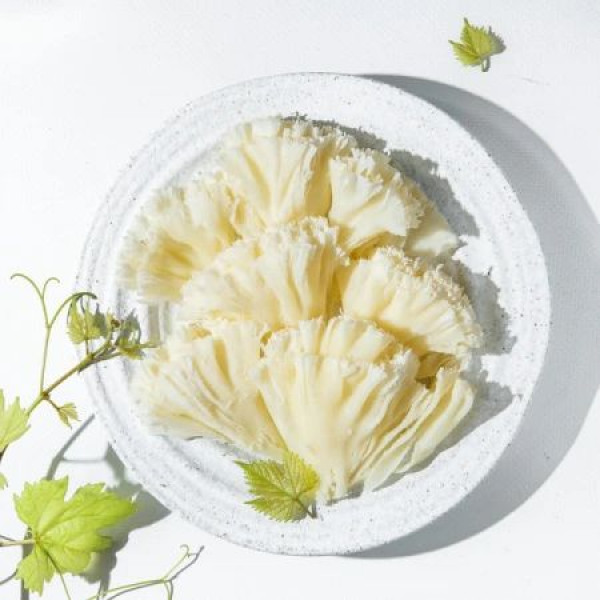
Provisioning a charter means stocking a boat with food and drink for a set number of people over a set number of days, within a galley that holds a fraction of what a kitchen does. Get it right and the food is one of the best parts of the trip. Get it wrong and you are eating pasta on day five while half a crate of salad rots in the bilge.
How much food does a charter actually need?
The number that matters is guests multiplied by days aboard. Everything else is an adjustment to it: a crew that swims and hikes all day eats noticeably more than one that sunbathes, and a group planning two dinners ashore needs two fewer dinners on board.
Once you have that figure, split the order in two. The first part is fresh food for the opening two or three days — leaves, soft fruit, fish, bread. The second is food that keeps: hard cheese, cured meat, eggs, root vegetables, pasta, rice, tinned tomatoes, oil. Planning that split against a rough menu is what stops you buying beautiful produce that dies before anyone eats it. If you would rather start from a finished plan than from a formula, our provisioning menus by guests and days set out three charter weeks with the quantities behind them.
What the galley can actually hold
Measure before you order, not after. A yacht fridge is usually smaller than it looks, the freezer is often a drawer rather than a compartment, and dry storage is shallow lockers rather than shelves. Two practical rules follow:
- Do not overfill the fridge — cold air has to circulate, and a packed fridge runs warmer than a half-empty one.
- Keep oil, wine and anything in glass in the coolest, darkest locker you have, wedged so it cannot move under way.
Space is also an argument for buying better rather than more: good oil, real cheese and proper cured meat earn their volume in a way that six kinds of snack do not.
What to buy in port, and when
The pleasure of a Mediterranean trip is that the best food is local and seasonal, but it runs on its own timetable — small-town markets often wind down by early afternoon, and the good stalls sell out first.
- Bread — buy for the day, not the week. It is the item that most rewards a morning walk to the bakery.
- Fish — from the morning market, on the day you plan to cook it, rather than frozen and thawed.
- Vegetables and fruit — whatever is genuinely in season, which is also what will be cheapest and best; our guide to eating with the seasons works as a rough calendar.
- Cheese and cured meat — the backbone of lunches, and the categories that keep longest once opened.
- Oil, salt, vinegar, pasta, rice — buy once at the start; they turn simple ingredients into meals all week.
How you store it all on arrival matters as much as what you bought — storing fresh farm food covers the first fifteen minutes, which is when most of the waste is decided. The tick-list version of everything above, sorted by the locker each thing ends up in and including the non-food half, is in the boat provisioning checklist.
Planning special diets before you board
Ask about allergies, intolerances and preferences when you confirm the guest list, not on the quay. Gluten-free and dairy-free products are widely available in Italy and France, but not in every small port, and cross-contamination is much harder to manage in a galley than in a kitchen: one board, one knife, one small worktop. Vegetarian and vegan covers are the easiest to plan ahead — legumes, grains and good vegetables travel well and keep.
Getting the delivery right
Most provisioning problems are logistics, not sourcing. Three things prevent nearly all of them:
- A firm headcount and firm dates. Every quantity depends on them, and a late change is what turns a plan into a supermarket dash.
- A confirmed drop point and time window. "The marina, in the morning" is not an address; the berth, the gate and a two-hour window are.
- A plan to resupply. Buying for ten days at once guarantees waste. Buy the first leg properly and top up at the next real town.
Where GetEats fits
GetEats is a marketplace of named farms and food producers: each one runs its own storefront, sets its own prices and packs its own orders — usually the evening before your chosen delivery day, which is what keeps produce a day old rather than a week. A basket spanning several producers is split into one order per farm, so delivery is worked out per farm and each becomes free once your order with that farm passes its threshold. The full picture is in buying food direct from farms.
Being straight about the current stage: our network is strongest where our producers already are, and we are building it out along the Italian and French coasts now. If you are provisioning a charter, the honest first step is to talk to us — get in touch with your dates, headcount and port, and we will tell you what we can actually cover rather than promise a delivery we cannot make. You can also browse producers on the map and see what is available today.
Frequently asked questions
How far ahead should a charter order be placed?
Producers pack the evening before the delivery day, so a day of notice is the technical minimum. For a group order spanning several farms, give it more: the more producers involved, the more moving parts, and the less room there is to absorb a late change of headcount.
Can provisions be delivered directly to the boat?
Delivery goes to the address you enter at checkout, in a two-hour window. A marina berth is not a normal address, so for a charter it is worth agreeing the drop point and time with us in advance rather than assuming a courier will find the right pontoon.
What keeps best on board, and what does not?
Hard cheese, cured meat, eggs, root vegetables, oil and dry staples cope well with a warm boat. Salad leaves, ripe soft fruit, fresh fish and anything already cut do not — buy those for the first days and plan to eat them early.
Is it cheaper to provision at a supermarket?
Per item, often yes. Across a week the gap narrows: market and farm produce arrives closer to harvest, so less of it is thrown away, and a boat has no room to store the waste anyway. Buying fewer, better things is usually the cheaper mistake.