Dairy · 14 July 2026 · 4 min read
How to store fresh farm food
Part of the guide: Buying food direct from farms: the complete guide
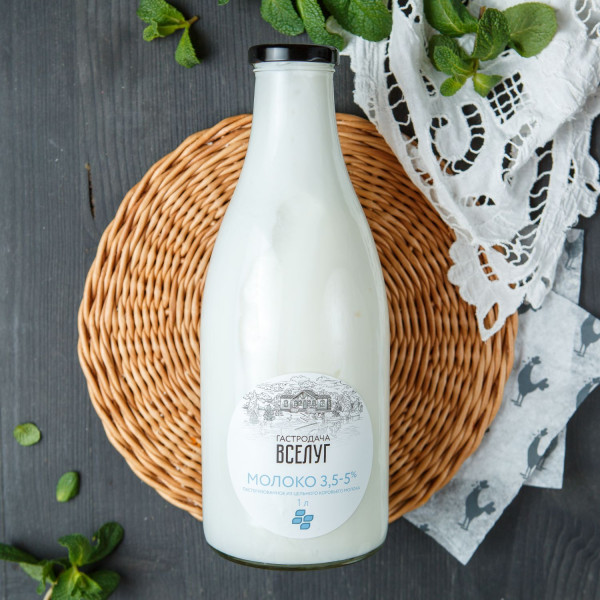
Farm food is made without the preservatives and controlled-atmosphere packing that keep supermarket products shelf-stable for weeks. That is exactly the point — but it also means real food behaves differently in your kitchen. A few simple habits let you keep it at its best and waste far less of it.
Why does farm food spoil differently?
Mass-market food is engineered for a long shelf life: waxed, gas-flushed, heavily pasteurised, or bred for durability over taste. Farm food skips those steps, so it arrives more alive — and it keeps ripening, breathing and changing after it reaches you. Storing it well is mostly about slowing that natural process down in the right way for each type of food.
How should you store dairy and eggs?
Keep milk, cream and soft dairy in the coldest part of the fridge — usually a back shelf, never the door, where the temperature swings every time you open it. Butter is happiest well wrapped so it does not pick up other flavours.
Farm eggs keep for weeks, but a few habits help:
- Store them pointed-end down to keep the yolk centred and the air cell stable.
- Keep them in their box, away from strong-smelling foods — shells are porous.
- If you are unsure of an egg, float it in water: fresh eggs sink and lie flat, older ones stand up or float.
What is the best way to keep vegetables and herbs?
Most of the waste in a veg box comes down to moisture — too much or too little.
- Leafy greens and herbs last longest wrapped loosely in a damp cloth or bag, so they stay hydrated without going slimy. Soft herbs like parsley and coriander keep well stood in a glass of water like a bouquet.
- Root vegetables — carrots, beetroot, radishes — last for weeks if you remove the leafy tops, which draw moisture out, and keep the roots cool and dark.
- Tomatoes and stone fruit should stay out of the fridge until fully ripe, then be chilled to hold them a few more days. Cold stops ripening and dulls flavour, so never refrigerate an unripe tomato.
- Onions, garlic and potatoes want a cool, dark, dry cupboard — not the fridge, and not right next to each other, as they make one another spoil faster.
How do you handle meat, fish and cheese?
Raw meat and fish belong on the bottom shelf of the fridge, where it is coldest and they cannot drip onto anything else. Use or freeze them within a day or two of delivery; if you are freezing, do it while they are at their freshest, not as a last resort the day before they turn.
Cheese wants to breathe. Wrap hard and semi-hard cheeses in wax or greaseproof paper rather than cling film, which suffocates them and traps moisture against the rind. Keep them in the least-cold part of the fridge, and — importantly — take cheese out 30 to 60 minutes before serving, because cold mutes the flavours that make farmhouse cheese worth buying. There is more on this in our guide to farmhouse cheese.
A few habits that cut waste
- Unpack your delivery straight away and put the most perishable things — leaves, dairy, fish — away first.
- Shop your fridge before you order, and plan the next few meals around what needs eating soonest.
- Freeze in usable portions, and label them, so a glut becomes next week's dinner rather than a mystery block of ice.
Good storage starts before the food even arrives — with how fresh it is on day one. That is the case for buying directly from farms, and for how quickly an order gets from field to door. Browse this week's produce and put these habits to work.
Frequently asked questions
Should farm eggs be kept in the fridge?
In Europe eggs are not washed, so they keep the natural bloom that seals the shell and are fine in a cool spot outside the fridge. What matters is consistency: once eggs have been chilled, keep them chilled — bringing them back to room temperature causes condensation that can draw bacteria through the shell.
Should I wash vegetables before storing them?
No — wash them just before you cook. A little soil preserves better than water does: a rinsed leaf or a damp carrot rots noticeably faster than a dusty one. Brush off the worst of it, store the produce as it arrived, and rinse at the last moment.
What freezes well and what does not?
Meat, fish, bread, butter, hard cheese, herbs in oil and blanched vegetables all freeze well. Salad leaves, whole tomatoes, potatoes, soft fresh cheeses and cream sauces do not — they collapse or split when thawed. When in doubt, freeze the cooked dish rather than the raw ingredient.
How long does farm milk keep?
About as long as the date on the bottle, as long as it lives at the back of a shelf rather than in the door, where the temperature swings every time the fridge opens. Cream rising to the top is normal in unhomogenised milk — shake it. Sourness, not separation, is the sign it has turned.